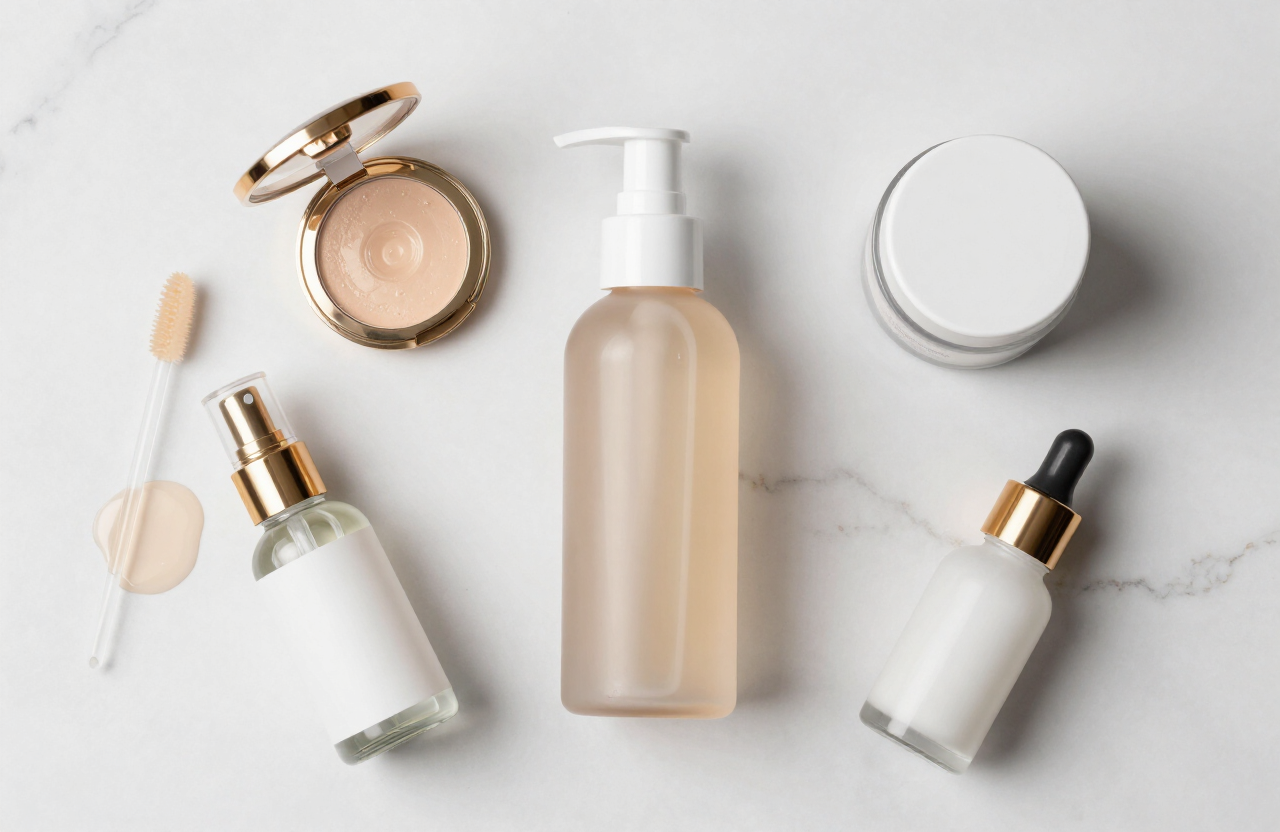
The skin is the body's largest organ and the canvas on which aesthetic surgery works. How it is prepared before a procedure and cared for in the weeks that follow influences comfort, healing and the final appearance of scars. This guide explains how patients can support their skin through the surgical journey — and why postoperative skin and wound care must always follow your surgeon's individual instructions.
Why does skin condition matter before aesthetic surgery?
Healthy, well-maintained skin recovers more predictably than skin that is irritated, dehydrated or inflamed. The condition of your skin affects how incisions heal, how quickly the skin barrier recovers, and how scars mature over time. Skin that is chronically dry, sun-damaged or affected by active conditions such as eczema, acne or rosacea may need attention before surgery is scheduled.
A preoperative assessment therefore looks beyond the surgical plan itself. Assoc. Prof. Dr. Cem Yıldırım evaluates skin quality, elasticity and any active skin concerns as part of your individual assessment, so that healing can be planned for as carefully as the procedure.
Skin care in the weeks before surgery
In the weeks leading up to surgery, the aim is simple: keep the skin calm, hydrated and healthy. A gentle cleanser, a fragrance-free moisturiser and consistent sun protection form a sensible baseline. There is no need for aggressive regimens or new products introduced shortly before a procedure, as reactions can complicate healing.
If you have an ongoing skin condition, mention it during your consultation so it can be managed appropriately before your date. Stable, well-controlled skin provides a better foundation for recovery than skin that is flaring.
What should be avoided before surgery?
Certain products and habits are best paused in the weeks before surgery. Retinoids, exfoliating acids, strong peels and abrasive scrubs can irritate the skin barrier and are typically stopped a week or more beforehand. New or unfamiliar products should not be introduced close to your date.
Sun exposure and tanning beds should be avoided, as sunburned or tanned skin is more prone to irritation and poor healing. Smoking is particularly important to stop, because it reduces blood flow to the skin and impairs wound healing; your surgeon will give you specific guidance on timing. Always share a full list of medications and supplements, as some can affect bleeding or healing.
Skin care immediately after surgery
In the first days after surgery, skin care is minimal and focused on protection. The treated area is usually covered with dressings, tapes or bandages that should be left undisturbed unless your surgeon advises otherwise. Cleansing, if permitted, is gentle and limited to the areas directed — never the incisions themselves.
Swelling, bruising and tightness are normal in this phase. The priority is to follow the written postoperative instructions you receive, keep the head elevated where recommended, and avoid touching, scratching or pulling at the skin. Postoperative skin and wound care varies according to the procedure and your individual healing, so your surgeon's specific guidance always takes precedence.
Caring for incision areas
Incision sites require careful, medically directed care. Do not apply cosmetic products, creams, active ingredients or over-the-counter scar treatments directly to incisions without your surgeon's approval. Dressings are changed according to the schedule set by the clinic, and sutures or adhesive strips are managed at your follow-up appointments.
Keeping the area clean and dry as instructed, and resisting the urge to pick at scabs or crusts, supports uncomplicated healing. Any redness, warmth, opening of the wound or discharge should be reported promptly rather than self-treated.
Moisturising and protecting the skin barrier
Once your surgeon confirms it is appropriate, gentle moisturising helps restore the skin barrier, which can become dry from cleansing, tape adhesive or reduced washing during recovery. Fragrance-free, simple moisturisers are preferred; heavily perfumed or active formulations can irritate healing skin.
Apply products only to the areas your surgeon has approved and avoid the immediate incision zones until cleared. Hydration from within — drinking enough water — also supports skin recovery alongside any topical care.
Sun protection during recovery
Sun protection is one of the most important measures for healing skin and scars. Fresh scars are vulnerable to pigmentation when exposed to ultraviolet light, and can darken permanently if unprotected. Once your surgeon advises it is safe, use a broad-spectrum sunscreen on the treated areas, keep scars covered, and avoid direct sun exposure for as long as recommended.
Protective clothing and seeking shade matter as much as sunscreen, particularly in the early months when scars are still maturing. Because recovery timelines differ by procedure and individual, follow the specific sun-protection guidance you are given rather than a general rule.
When can normal skin care products be resumed?
There is no universal timeline for resuming your usual skin care routine. The right moment depends on the procedure, the area treated, how your skin is healing, and your surgeon's assessment at follow-up. As a general principle, gentle cleansing and basic moisturising return first, while active products are reintroduced later and gradually.
Rather than restarting everything at once, products are typically added back one at a time so any irritation can be identified. Your surgeon or the clinic team can advise which products are appropriate at each stage of your recovery.
When can makeup generally be used again?
Makeup is usually avoided on or near incision sites until the skin has closed fully and your surgeon confirms it is appropriate. Applying makeup too early can introduce bacteria, irritate healing tissue and interfere with dressings. When makeup is resumed, clean applicators and fresh products help reduce the risk of irritation or infection.
The timing varies by procedure and individual healing, so confirm with your surgeon before returning to your usual makeup routine, particularly around the treated areas.
Retinol, acids and other active ingredients after surgery
Active ingredients such as retinol, exfoliating acids, vitamin C serums and anti-ageing treatments should not be restarted until the skin barrier has recovered and your surgeon approves. These products can cause inflammation, peeling and sensitivity in skin that is still healing, and may be introduced gradually once recovery is well established.
Because the appropriate timing depends on the procedure and your individual progress, no standard schedule applies. Introduce actives one at a time and report any irritation to the clinic, and never apply active ingredients to incision areas without medical approval.
Scar care and maturation
Scars mature over many months, typically softening and fading across twelve to eighteen months, though individual healing varies and final scar appearance cannot be guaranteed. Once your surgeon advises it is appropriate, measures such as gentle massage, silicone gel or sheets, and consistent sun protection may support the maturation process.
No product can guarantee a particular scar outcome. The most reliable approach is to follow your surgeon's scar-care guidance, attend scheduled reviews, and bring any concerns about how a scar is developing to the clinic rather than self-treating with unverified products.
Lifestyle factors that support healthy healing
General health and lifestyle influence how the skin heals. A balanced diet with adequate protein, vitamins and hydration supports tissue repair, while avoiding smoking and limiting alcohol improves blood flow and recovery. Quality sleep and following activity restrictions also reduce swelling and support steady healing.
Stress management and patience matter too. Healing is gradual, and the skin continues to refine long after the early recovery period. Supporting your body through rest, nutrition and sensible care gives the skin the best conditions to recover.
When should the surgeon be contacted?
Certain signs should prompt you to contact the clinic without delay: spreading redness, warmth or increasing pain, fever, significant new swelling, bleeding or discharge from a wound, opening of an incision, or any reaction such as severe itching, rash or blistering near the treated area. Vision changes after facial surgery should also be reported immediately.
When in doubt, call. It is always better to ask than to wait, and early review helps address concerns before they become problems.
“Well-prepared skin and careful postoperative care give healing its best chance — but the plan is always your surgeon's, not a generic routine.”
Frequently asked questions
How long before surgery should I stop retinol and acids?
These are typically paused a week or more beforehand, but the exact timing depends on your procedure and skin. Follow your surgeon's preoperative instructions.
Can I apply scar cream to my incisions right after surgery?
No. Do not apply any cosmetic product, active ingredient or scar treatment to incisions without your surgeon's approval. Incision care is managed according to your postoperative plan.
When can I wear makeup again?
There is no universal timeline. Makeup is usually avoided on incision sites until the skin has fully closed and your surgeon confirms it is appropriate.
Is sun protection really that important for scars?
Yes. Fresh scars are prone to pigmentation from UV exposure, which can darken them permanently. Sun protection and covering scars are central to scar care once your surgeon advises.
When can I restart my normal skincare routine?
It depends on the procedure and your healing. Gentle products return first, actives later and gradually. Your surgeon advises the right timing at your follow-up.
Does smoking affect skin healing?
Yes. Smoking reduces blood flow to the skin and impairs wound healing. Stopping before surgery, as directed by your surgeon, is one of the most meaningful steps you can take.
Can a product guarantee a perfect scar?
No. Final scar appearance depends on individual healing, genetics and technique. Follow your surgeon's scar-care guidance rather than relying on any single product.
Caring for your skin, caring for your result
Skin care before and after aesthetic surgery is not a separate ritual from the procedure itself — it is part of how the result is achieved. Healthy, prepared skin and disciplined postoperative care support comfortable healing and the best possible appearance of scars, always under the guidance of your surgeon.
For a broader view of healing, see our article on recovery after aesthetic surgery
and our pages on rhinoplasty
and blepharoplasty
for facial procedures — or bring your skin-care questions to a private consultation.